The Story of Finnish Weaving

Journey through centuries of Nordic textile traditions and discover the patterns that define our heritage

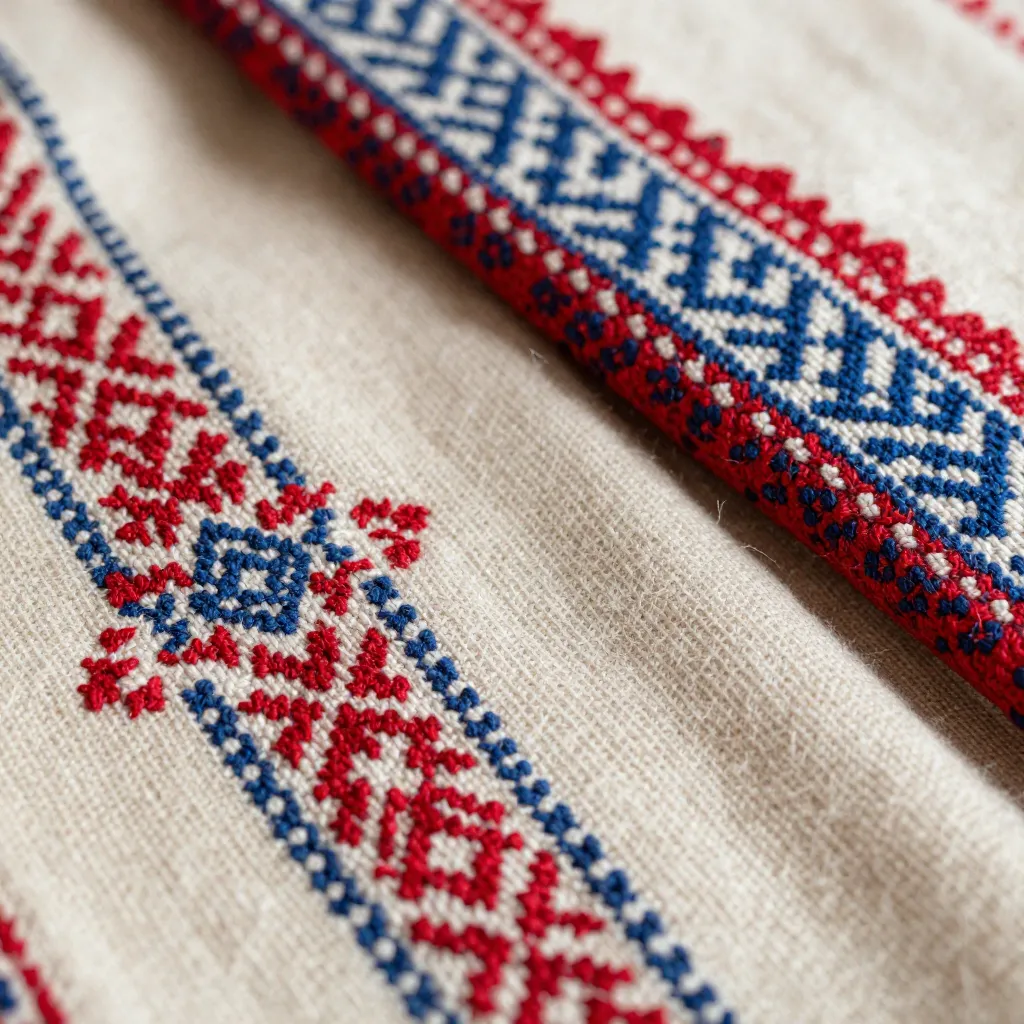
Historical weaving pattern

Interactive Timeline

1800s

Early Finnish Weaving Traditions

Finnish weaving emerged as a vital craft in rural communities. Families created textiles for daily use, incorporating geometric patterns inspired by nature and local folklore. Each region developed its distinctive style, passed down through generations.

1900s

Industrial Revolution Impact

As industrialization spread, traditional handweaving faced challenges. However, dedicated artisans preserved these techniques, ensuring that authentic Finnish patterns continued to thrive alongside modern production methods.

1950s

Cultural Renaissance

A renewed interest in traditional crafts emerged, with weavers exploring new interpretations of classic patterns. This period saw the fusion of heritage techniques with contemporary design principles.

2000s

Modern Revival

Today's weavers honor traditional methods while embracing sustainable practices and innovative materials. The craft continues to evolve, maintaining its connection to Finnish cultural identity.

Digital Pattern Archive

Hover over any pattern to zoom in and explore the intricate details of traditional Finnish designs.

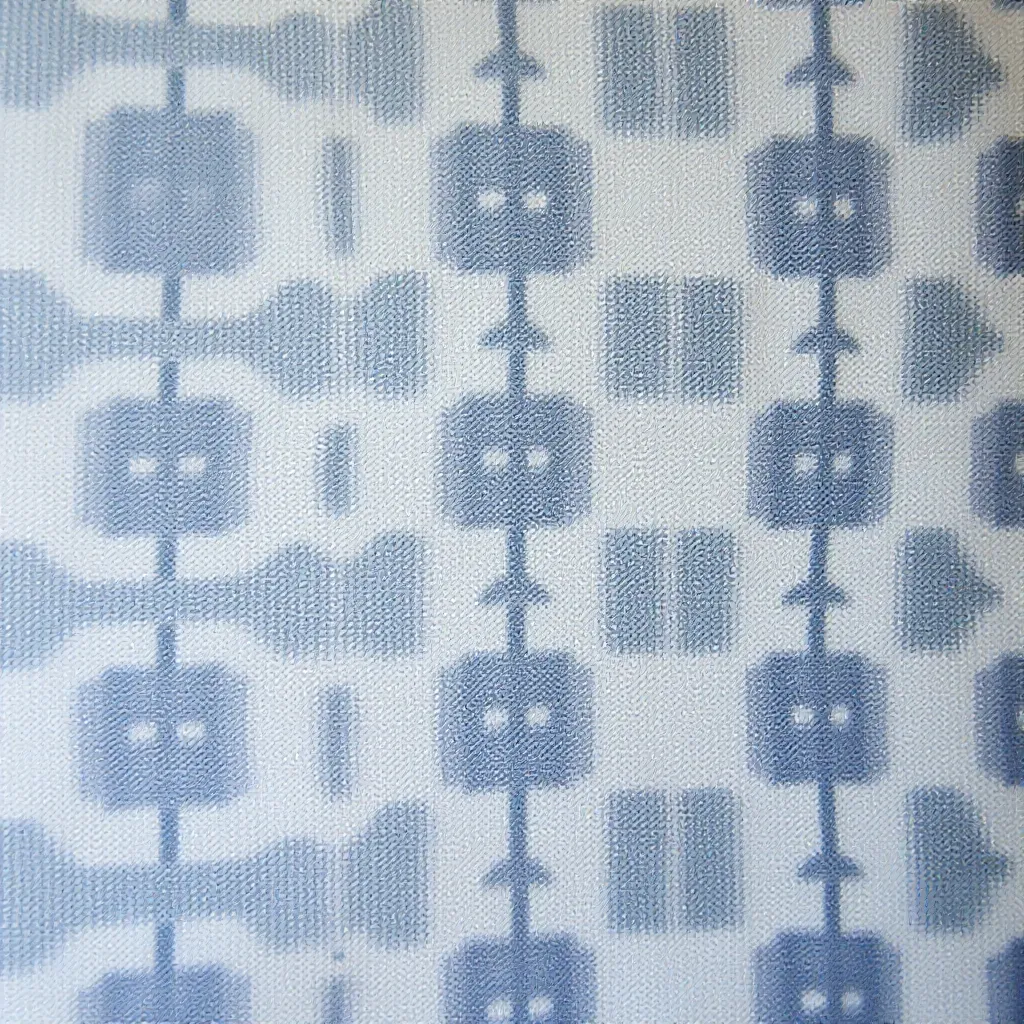
Traditional geometric pattern
Classic Finnish weave pattern
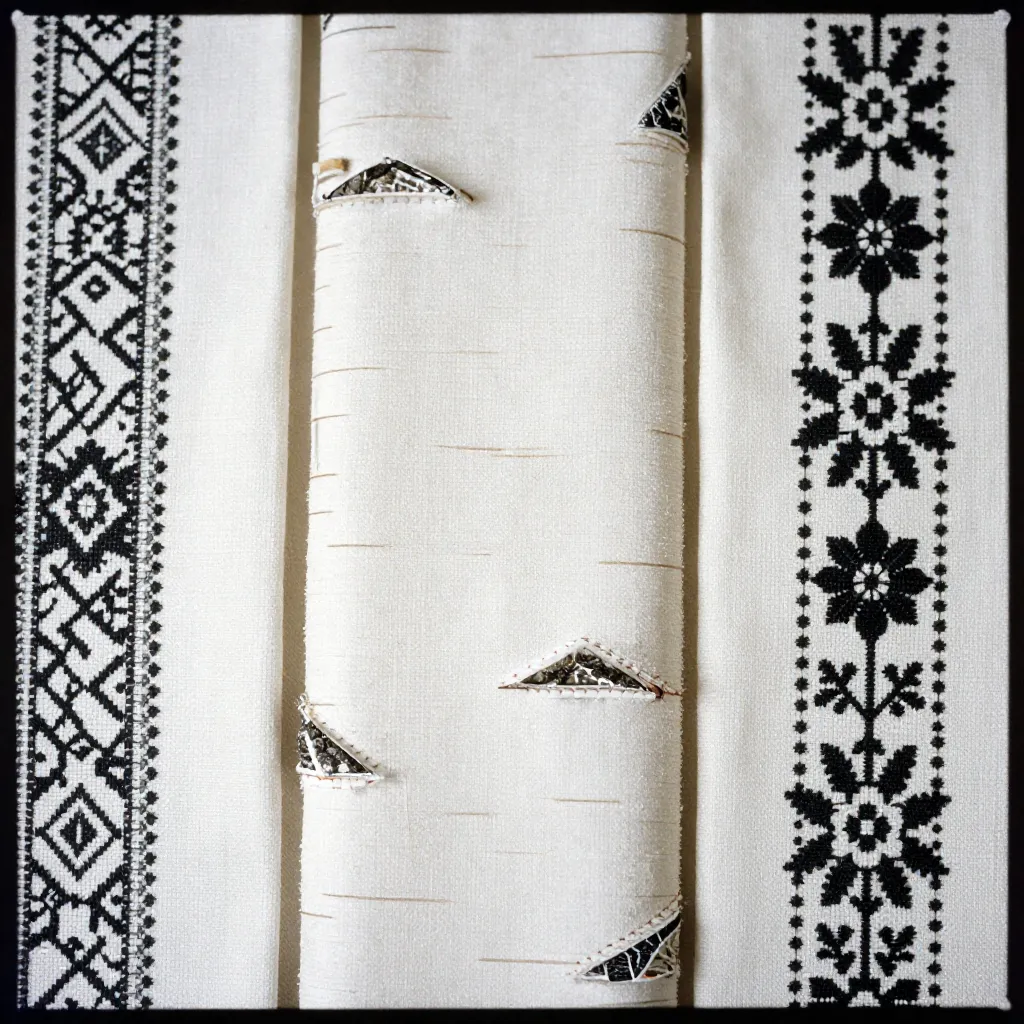
Heritage textile design
Nordic weaving motif
Traditional fabric pattern
Finnish heritage design
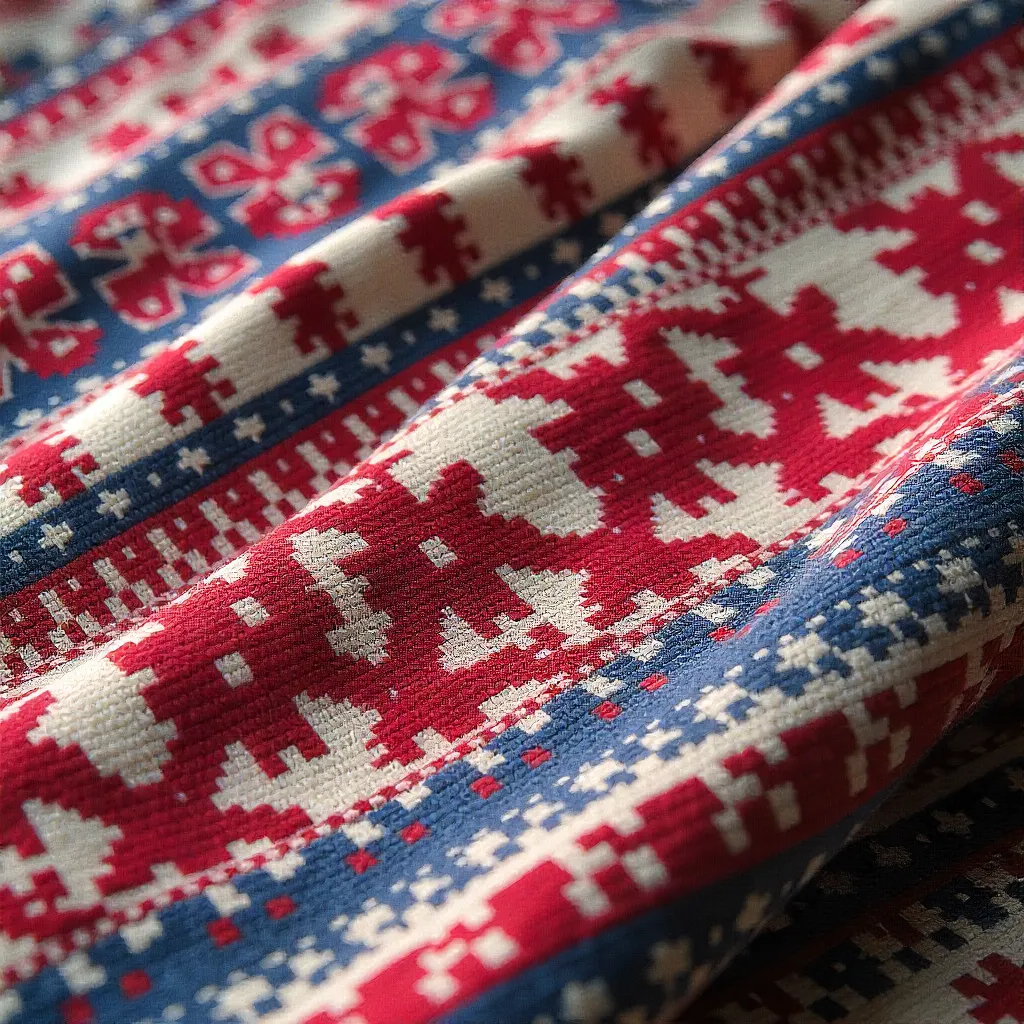
Zoomed pattern view

Preserving Tradition

Cultural Heritage in Every Thread

Our commitment to preserving Finnish weaving traditions goes beyond creating beautiful fabrics. We document patterns, techniques, and stories that have been part of Nordic culture for centuries.

By maintaining these traditional methods while adapting them for contemporary use, we ensure that future generations can continue to appreciate and learn from this rich cultural heritage.

View Our Collection
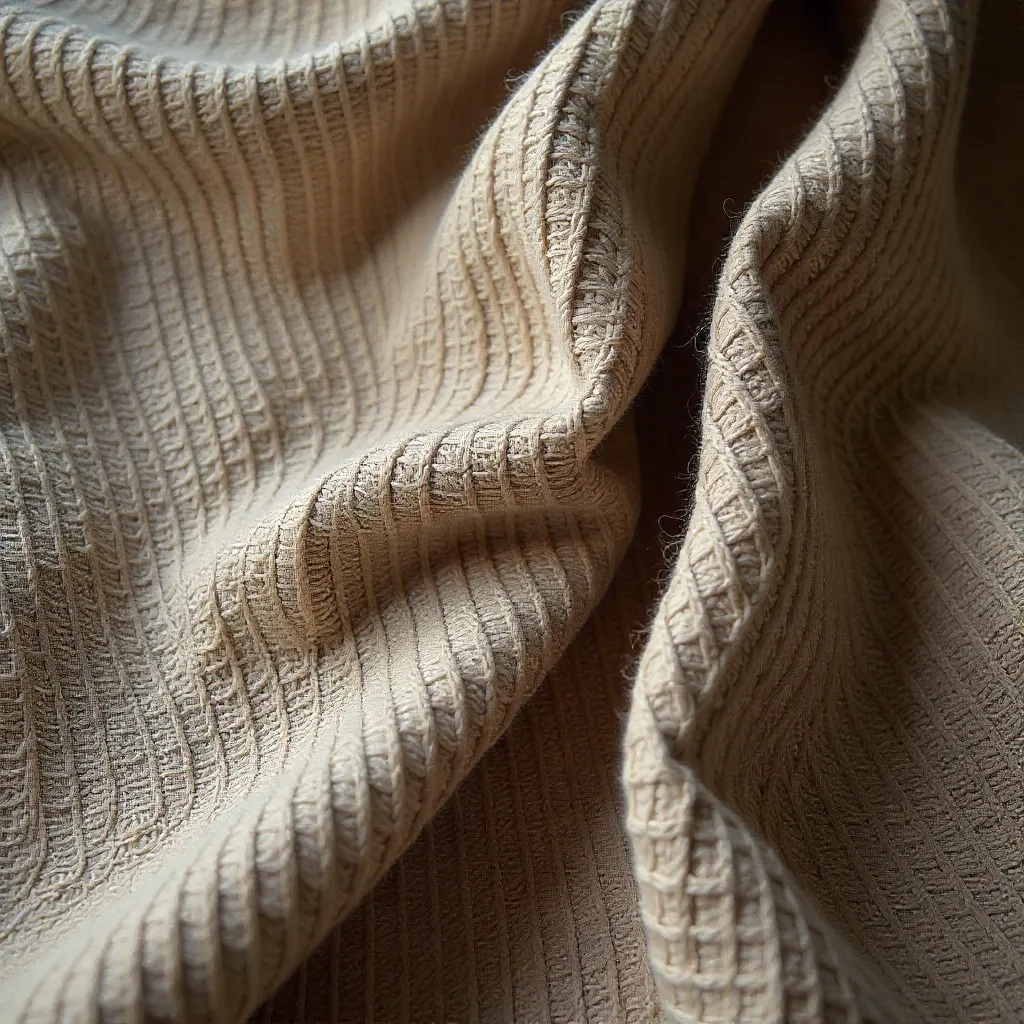
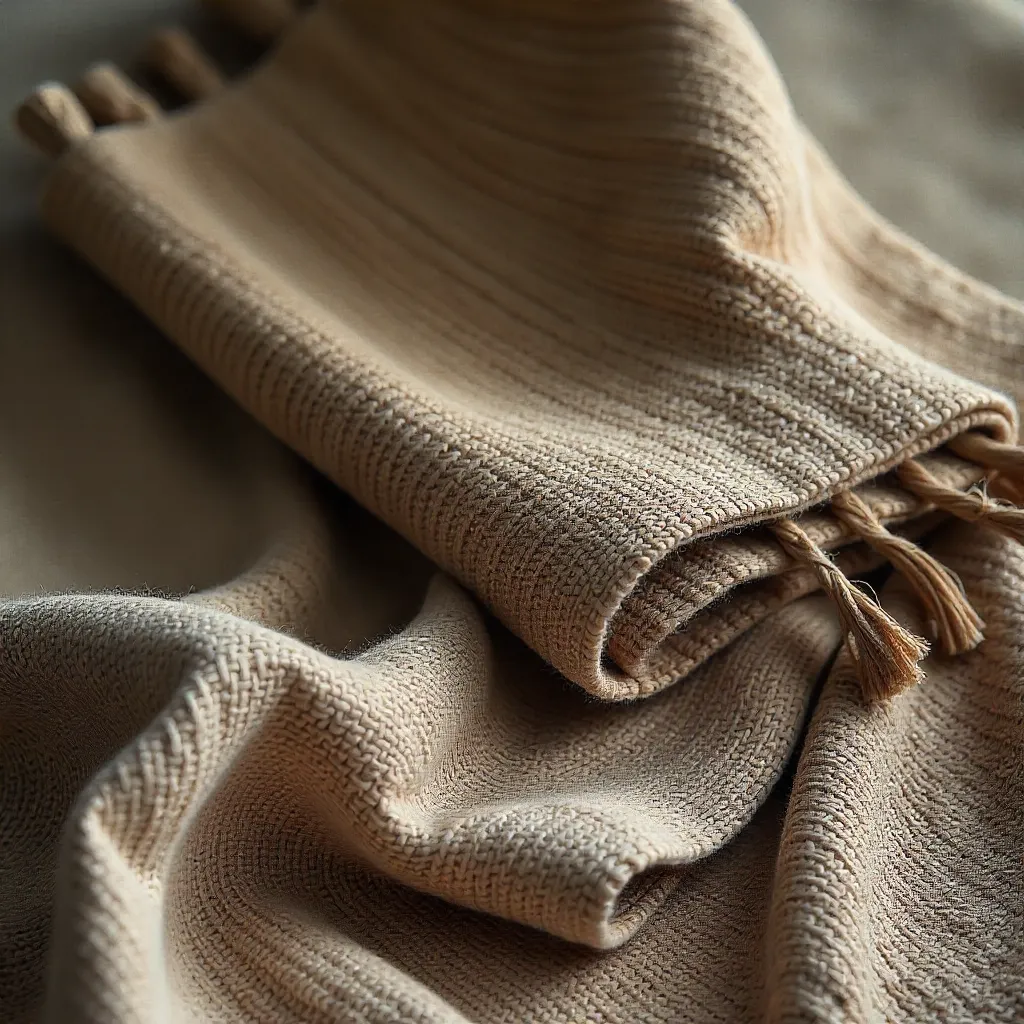
Traditional weaving technique

Regional Variations

Eastern Finland

Characterized by bold geometric patterns and strong color contrasts. These designs reflect the region's connection to Karelian traditions and Russian influences.

Western Finland

Features more delicate patterns with intricate details. The designs often incorporate floral motifs inspired by the coastal landscapes and archipelago.

Northern Finland

Known for patterns that reflect the Arctic environment, with designs inspired by snowflakes, northern lights, and the sparse beauty of Lapland.

We use cookies to enhance your browsing experience and analyze site traffic. By continuing to use our site, you consent to our use of cookies.